Informational signs are the quiet workhorses of effective communication. While they may not be as bold as advertising signs, their impact is just as important. Found in offices, schools, hospitals, retail spaces, public buildings, and outdoor environments, informational signs provide guidance, clarity, and reassurance. They answer questions before they are asked and help people navigate spaces confidently and independently. 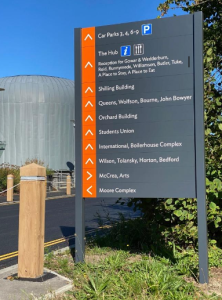
One of the primary roles of informational signs is clear communication. These signs share essential details such as hours of operation, directions, policies, room identification, instructions, and general notices. In busy environments, informational signage reduces confusion, minimizes interruptions, and improves efficiency. When people know where to go and what to expect, spaces function more smoothly for both visitors and staff.
Informational signs are also essential for wayfinding. Directional arrows, directories, maps, and room labels help people move through unfamiliar environments with ease. In large buildings or campuses, well-placed informational signage prevents frustration and saves time. This is especially important in settings like hospitals, government buildings, and corporate offices, where clarity and calm are critical to the overall experience.
From a safety standpoint, informational signs play a vital role in risk prevention and compliance. Signs that communicate rules, procedures, emergency information, or safety instructions help protect people and property. Messages such as evacuation routes, capacity limits, hygiene reminders, or equipment instructions support compliance with regulations and promote responsible behavior. Clear informational signage demonstrates care for public well-being and organizational responsibility.
The effectiveness of informational signage depends heavily on the expertise of #1 Phoenix sign maker. While the content may seem straightforward, proper design is crucial. A professional sign maker understands how to balance text, spacing, font choice, and color contrast to ensure information is readable at a glance. Overcrowded or poorly designed signs can overwhelm viewers and defeat their purpose. If you are interested to know more you can visit Phoenix Expert Sign Maker!
Material selection is another important factor. Informational signs may be exposed to frequent handling, cleaning, sunlight, or weather, depending on their location. A professional sign maker selects materials such as acrylic, aluminum, PVC, or laminated panels that maintain clarity and durability over time. This ensures the sign remains legible and professional-looking, even in high-traffic environments.
Placement and installation are equally critical. Informational signs must be positioned where people naturally look—at entrances, intersections, elevators, or decision points. A professional sign maker understands sightlines, mounting heights, and accessibility considerations to ensure maximum effectiveness. Improper placement can make even the best-designed sign easy to miss.
Consistency is another key benefit of working with a professional. Uniform fonts, colors, icons, and layouts across informational signage create a cohesive and organized environment. This consistency builds trust and helps people quickly recognize and understand information throughout a space.
Beyond function, informational signs contribute to professionalism and user experience. Clean, well-designed signage makes environments feel organized, welcoming, and thoughtfully planned. Visitors are more likely to feel comfortable and confident in spaces where information is clear and accessible.
In conclusion, informational signs are essential tools that support navigation, safety, and communication in everyday environments. When designed and installed by an experienced sign maker, informational signage transforms confusion into clarity and enhances how people experience a space. Simple yet powerful, informational signs prove that clear communication is one of the strongest foundations of any successful environment.
